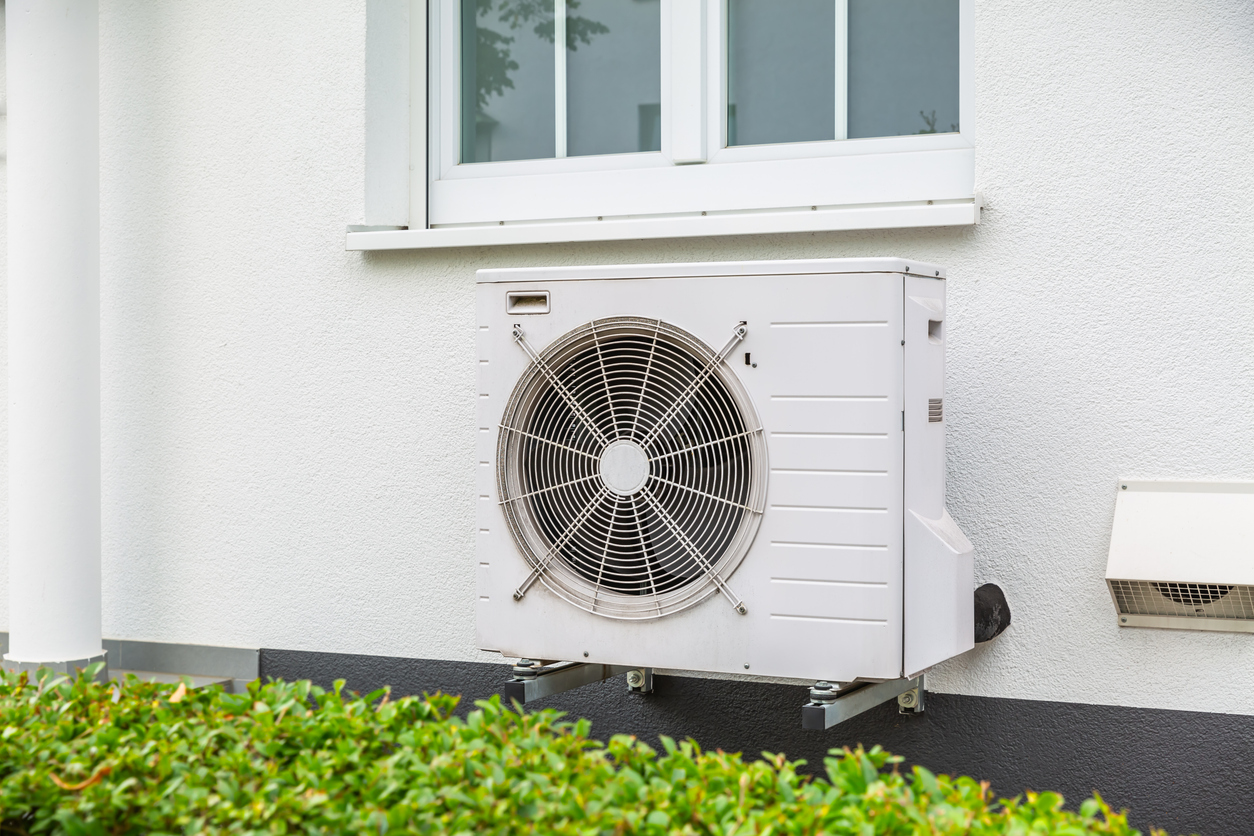
Heat Pumps vs. Traditional AC Units: Which Is Best For Your Florida Home?
Florida homeowners rely heavily on their HVAC systems to stay comfortable through long, hot, and humid summers. When it’s time to install or replace a cooling system, many homeowners wonder whether a heat pump or a traditional air conditioning unit is the better option. While both systems can keep your home cool, they operate differently and offer different advantages when it comes to efficiency, installation, and long-term operation. Understanding how these systems compare can help you determine which option is the best fit for your Florida home.
How Heat Pumps and AC Units Work
A heat pump can both heat and cool your home, despite what the name might suggest. In cooling mode, it works much like a traditional air conditioner by pulling heat from inside your home and transferring it outdoors. The key difference is that a heat pump can reverse this process in cooler months, drawing heat from the outside air and bringing it inside to warm your home. This makes it a versatile, all-in-one system that can handle year-round temperature control without the need for separate equipment.
A traditional air conditioning unit, on the other hand, is designed strictly for cooling. It removes heat from your indoor air and releases it outside, lowering the temperature inside your home. When paired with a furnace, the system switches to the furnace for heating during colder months. Unlike a heat pump, a traditional AC system requires a separate furnace or heating system to provide warmth, meaning heating and cooling are handled by two different units.
Performance in Florida’s Climate
In Florida, cooling performance is the top priority for most homeowners. Heat pumps perform well in this climate because they’re designed to move heat out of the house efficiently, even when outdoor temperatures are high. They also handle Florida’s mild winters without difficulty, providing reliable heat during occasional cold fronts and cooler mornings. Since temperatures rarely stay low for extended periods, a heat pump can typically meet both heating and cooling needs without requiring a separate furnace.
Traditional AC units are built specifically for cooling, which makes them effective during Florida’s long, hot, and humid summers. When properly sized and maintained, they can keep indoor temperatures consistent even during peak heat. However, because they rely on a separate heating system for cooler weather, homeowners may be maintaining two systems instead of one. In a state where heating demands are minimal compared to year-round cooling, that difference can play an important role in deciding which system makes the most sense.
Energy Efficiency and Operating Costs
Heat pumps are highly efficient because they transfer heat rather than generate it. In cooling mode, they operate similarly to high-efficiency air conditioners, but in heating mode, they typically use far less electricity than electric resistance heating. Many modern heat pumps achieve SEER ratings in the mid to high teens or higher, which can translate into noticeable energy savings over time. Since Florida homeowners rely on cooling for much of the year and only need occasional heating, using one efficient system for both functions can help keep overall utility costs more predictable.
Traditional AC units can also operate very efficiently, particularly models with higher SEER ratings. However, because they rely on a separate furnace for heating, total operating costs depend on the type of heating system installed. Electric furnaces generally consume more electricity when running, which can raise winter utility bills, while gas furnaces introduce an additional fuel expense. Homeowners should also consider that maintaining two separate systems may increase long-term service and replacement costs. When comparing operating expenses, it’s important to look at the entire HVAC setup, not just the cooling unit itself.
Installation and Maintenance
The installation process for heat pumps and traditional AC systems is fairly similar, especially if your home already has existing ductwork. A heat pump system typically replaces both the air conditioner and the heating unit, which means homeowners only need one primary system for year-round climate control. While installing a heat pump can cost more than installing an air conditioner alone, it eliminates the need for a separate furnace. Because heat pumps run throughout the year for both heating and cooling, they typically require maintenance twice a year to keep the coils clean, check refrigerant levels, inspect electrical components, and ensure the reversing valve is working properly.
Traditional AC units are usually installed alongside a furnace to handle heating. Installing a central AC unit by itself is typically less expensive than installing a heat pump. However, when both the air conditioner and furnace need to be installed or replaced, the total cost can exceed that of a single heat pump system. AC maintenance is generally performed once a year before the cooling season and usually includes replacing air filters, cleaning the outdoor condenser unit, checking refrigerant levels, and inspecting electrical connections to ensure the system runs efficiently during the summer.
Which Is Better for Your Florida Home?
For many Florida homeowners, a heat pump is often a practical choice. Because Florida has long cooling seasons and generally mild winters, a system that can both heat and cool efficiently can simplify your HVAC setup. Heat pumps cool homes just as effectively as traditional air conditioners and can also provide reliable heating during cooler periods. In areas like Gainesville, where winter temperatures can occasionally drop into the 30s or even lower, having an efficient heating function built into the same system can be especially convenient.
That said, a traditional AC system can still be a good option in certain situations. If your home already has a well-functioning furnace or another heating source, replacing only the air conditioner may be more cost-effective. In these cases, a high-efficiency AC unit paired with your existing heating system may provide the cooling performance you need while still keeping your home comfortable during colder weather.
Ultimately, the best system depends on factors like your home’s layout, existing equipment, budget, and long-term energy goals. A professional HVAC contractor can evaluate your current system and recommend the option that will deliver the best combination of comfort, efficiency, and cost savings for your Florida home. Interested in upgrading or replacing your home’s cooling system? Contact LIBERTYAIR Air Conditioning & Heating for air conditioner replacement services in Gainesville, FL, and the surrounding Alachua County area.